

Introduction
Suicide is a global concern and suicide prevention is everybody’s business. Mental health clinicians work closely with people who experience suicide ideation and engage in suicidal behaviours. Our roles involve assessment, formulation and therapeutic management of suicidal thoughts and behaviours. To do this well, we must strive to develop a shared understanding of an individual’s suicidality, the psychological pain that underlies the suicidal wish, and their pre-suicidal self. Furthermore, we must remain mindful of the person’s wider psychosocial context and the people who endeavour to support them at home who can experience significant distress and have their own support needs.
Working with people who struggle with suicidal thoughts and behaviours is professionally and emotionally challenging and this is magnified when a patient ends their life. We can feel isolated and disconnected with our responses when a suicide does occur. Being aware of possible emotional responses and learning about the experiences of peers who have been in similar positions can help ease these difficult feelings.
The aim of this training is to provide a safe and constructive space for clinicians to increase their knowledge and understanding about suicide, reflect on and share their own lived experiences and learn from research, theory and lived experiences of patients, family members and each other.
The event will be equivalent to 5.1/2hrs of CPD.
Content
This workshop will cover the below aspects of suicide prevention:
1. To refresh and update delegates, current statistics of suicide, and key areas of current concern will be briefly presented.
2. Best practice in safety assessment, formulation and safety planning will be discussed with an emphasis on collaboration to achieve a shared understanding of safety needs with patients and family or carers. We will attend to the language professionals use when talking to patients about suicide and use film and role play to stimulate reflection and discussion.
3. The benefits of psychological theory will be presented with use of lived experience narrative to relate this to practice. The concepts of psychological pain, mattering and meaning in life will be deliberated, drawing on lived experience and self-reflection to expand our understandings.
4. The experiences and needs of family members/carers will be addressed. This will include discussion of relevant research findings, theoretical explanations and lived experience films.
5. The value and challenges of empathising with the suicidal wish will be considered with attention to the variants of empathy and the realities of empathic disconnection. Clinical examples will be used to relate these principles to real world practice.
6. The impact of the death of a patient by suicide on staff will be considered through presentation of research in this area and reflections on our own experiences. Strategies for support will be discussed.
Learning Objectives
After participating in this workshop delegates should be able to:
• demonstrate awareness of current best practice recommendations regarding suicide safety assessment, formulation and safety planning
• demonstrate an understanding of the importance of language and the therapeutic relationship when working with suicidal individuals
• demonstrate an understanding of the experiences and needs of family members/carers
• use principles related to psychological pain, mattering and meaning in life within their interventions with patients and/or within clinical supervision/MDT discussions/educational contexts
• apply principles of the Integrated Motivational Volitional Theory of suicide, to their clinical practice and/or within clinical supervision/MDT discussions/educational contexts
• reflect on and exercise empathic validation in practice and recognise when empathic disconnection may be a concern
• demonstrate an awareness of the impact a death by suicide can have on staff and an understanding of the need to seek and provide support.
Training Modalities
Didactic presentations, Q&A and use of chat box discussion, film, live demo, polls/Mentimeter.
Key References
Croft, A., Lascelles, K., Brand, F., Carbonnier, A., Gibbons, R., Wolfart, G., Hawton, K. (2023). Effects of patient deaths by suicide on clinicians working in mental health: a survey. International Journal of Mental Health Nursing, 32, 245-276. https://onlinelibrary.wiley.com/doi/pdf/10.1111/inm.13080
Hawton, K., Lascelles, K., Pitman, A., Gilbert, S., Silverman, M. (2022). Assessment of suicide risk in mental health practice: shifting from prediction to therapeutic assessment, formulation and risk management. The Lancet Psychiatry 9(11), pp.922-928. https://linkinghub.elsevier.com/retrieve/pii/S2215036622002322
Lascelles, K. (2005) Empathy and the care of people with suicidal behaviour and their families. In Barrera, A (ed) (2025). Clinical empathy and the work of psychiatrists. Oxford University Press: Oxford, pp.127-142. https://doi.org/10.1093/med/9780198917328.003.0011
Lascelles, K.M., Davey, Z., Jackson, D. and Aveyard, H., 2024. Experiences and needs of adult informal carers of adults at risk of suicide: A systematic review with mixed methods analysis. Journal of Advanced Nursing, 80(5), pp.1686-1718. https://onlinelibrary.wiley.com/doi/pdfdirect/10.1111/jan.15940
NHS England Staying Safe from Suicide: Best practice guidance for safety assessment, formulation and management (2025) https://www.england.nhs.uk/publication/staying-safe-from-suicide/
O’Connor, R.C., Kirtley, O.J. (2018) The integrated motivational-volitional model of suicidal behaviour. Philosophical Transactions of the Royal Society B: Biological Sciences, 373, 20170268. https://doi.org/10.1098/rstb.2017.0268
About the presenter
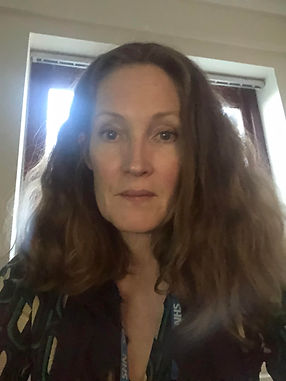
Dr. Karen Lascelles is a mental health nurse with over 30 years nursing experience who has specialised in the field of suicide prevention for the last 15 years. She works as a senior lecturer for mental health nursing and continues to practice clinically within a psychiatric liaison setting. She has a particular interest in working with family carers of patients at risk of suicide and her doctoral study investigated the experiences and support needs of adult carers of adults at risk of suicide. Karen has been involved in various research endeavours looking at the experiences of mental health staff who experience patient deaths by suicide and suicide among nurses and is currently undertaking a systematic review of research investigating mental health problems and suicidality among mental health nurses. In addition, she has written several book chapters on aspects of working well with patients who have suicidal thoughts, and their families.
Who should attend
This workshop is relevant to all mental health professionals who are involved in assessment and intervention with adult patients at risk of suicide.