
Bespoke Members


Introduction
In recent years, the rate of probable mental health disorders among children and young people in the UK has risen sharply, from about 1 in 9 of children aged 5-16 in 2017, to roughly 1 in 5 of 8–16-year-olds in 2023. Across older teenagers and young adults (17-25 years), prevalence also remains high, with over 20% identified as having a probable disorder in 2023. As a result, the demand on services is surging: between September 2021 and September 2024, the number of children and young people accessing treatment rose by 27%. Many young people face long waits, bottlenecks, or inability to access timely specialist support even as mental health needs intensify. The importance of being able to effectively engage and assess children, young people and their families, is essential to enable shared-decision-making in determining the best interventions. It is harder than it sounds though; attrition and outcomes data from both Child and Adolescent Mental Health Services (CAMHS) and Talking Therapies services (e.g., Saunders et al., 2025) indicate that we have work to do to be better at engaging and supporting young people.
The event will be equivalent to 2.3/4hrs of CPD.
Content
This session explores how to meaningfully connect with children and young people in therapeutic settings. We’ll cover developmentally appropriate engagement techniques, building trust and safety, and using inclusive and creative assessment methods. Participants will learn how to gather useful clinical information while honouring the young person’s (and family’s) voice, pace, and lived experience. Meaningful engagement and assessment create the foundations for effective, collaborative therapeutic work. Throughout this session, and the second follow-up on working with difference in the therapeutic space, attention and consideration will be given throughout to principles of equity and inclusion.
Learning Objectives
By the end of the session, attendees will be able to:
1. Apply developmentally appropriate engagement strategies that centre collaboration and shared decision-making to establish rapport, trust and a sense of safety.
2. Employ multi-method, multi-source, and evidence-based assessment methods (including routine outcome measures, age-appropriate questions, and family-inclusive information gathering, to develop a comprehensive understanding of presenting difficulties.
3. Integrate assessment information from young people and families to co-produce meaningful goals, shared sense-making, and clear intervention plans.
Training Modalities
Didactic content, videos, polls, and Q&A.
Key References
Lynch, L., Moorhead, A., Long, M., & Hawthorne-Steele, I. (2024). “If you don’t actually care for somebody, how can you help them?”: Exploring Young People’s Core Needs in Mental Healthcare - Directions for Improving Service Provision. Community mental health journal, 60(4), 796-812.
McGillivray, L., Rheinberger, D., Wang, J., Burnett, A., & Torok, M. (2022). Non-disclosing youth: a cross sectional study to understand why young people do not disclose suicidal thoughts to their mental health professional. BMC psychiatry, 22(1), 3.
Phillips, D. A., Ginsburg, G. S., Ehrenreich-May, J., & Jensen-Doss, A. (2025). Treatment engagement in adolescents: The associations of sociodemographic characteristics, caregiver perceived barriers, and clinical impairment. Journal of Clinical Child & Adolescent Psychology, 54(2), 272-285.
Saunders, R., Suh, J. W., Buckman, J. E., John, A., El Baou, C., et al. (2025). Effectiveness of psychological interventions for young adults versus working age adults: a retrospective cohort study in a national psychological treatment programme in England. The Lancet Psychiatry, 12(9), 650-659.
About the presenter
Janeen Wilson:
Janeen is a highly experienced drama therapist, BABCP accredited CBT therapist, and clinical supervisor, with over 15 years of expertise across the mental health and therapeutic fields. Based in London, she has worked across health, education, and both public and private sectors, bringing a rich, cross-disciplinary understanding to her work.
All aspects of her work are grounded in compassion, clarity, and collaboration. She offers a safe, reflective space for both trainee and qualified professionals to explore their work, deepen insight, and refine clinical judgement. Her work is characterised by warmth, curiosity, and clinical excellence, qualities that make her a valued guide for those committed to delivering meaningful, ethical, and transformative psychological care.
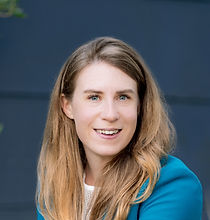
Dr Hannah Vickery:
Hannah trained as a Clinical Psychologist and worked within a range of Child and Adolescent Mental Health settings before working as an Associate Professor of Clinical Psychology at the University of Reading. In this role she was Director of Clinical Training at the renowned Charlie Waller Institute, leading on the teaching and supervision of adult Talking Therapies trainees as well as those working in children and young people’s mental health services.
Alongside her extensive clinical and academic expertise, Hannah brings a deep commitment to social justice, championing efforts to reduce the profound mental health inequities experienced by so many children, young people, and their families. She is BABCP accredited, a Senior Fellow of the Higher Education Academy, and a Senior Visiting Fellow at the University of Reading.
Who should attend
This training is designed for practitioners working with children, young people, and young adults across mental health settings. Ideal attendees include:
Low and high Intensity CBT practitioners within Children and Young People’s Mental Health Services including CWPs, EMHPs, SWPs, and CBT therapists
Talking Therapies high and low intensity practitioners working with 16–24-year-olds
Whether you’re early in your practice or looking to deepen your clinical skills, this training offers practical, developmentally attuned approaches you can apply immediately in your work.